IRS 501 C (3) Non Profit Organization
AMA Wire (Physician Voice helps shape Veterans’ Health Care Reform Law)

Posted on


AMA Wire Alert
Physician voice helps shape veterans’ health care reform law
The unified voice of medicine calling for swift action to address veterans’ urgent health care needs resonated this week on Capitol Hill as Congress passed reform legislation.
The bipartisan framework agreed upon last week passed the U.S. House of Representatives Monday in a vote of 420-5, paving the way for veterans to seek medical care outside the U.S. Department of Veterans Affairs (VA) health care system if they aren’t receiving timely treatment. The U.S. Senate followed suit and passed the bill Thursday night. The AMA House of Delegates in June adopted policy urging Congress to act quickly on improving access to care for veterans.
Read more at AMA Wire®.

© 2014 American Medical Association. All rights reserved.

Unsubscribe from AMA Wire Alerts and opt out of future newsletters.

Sent by: American Medical Association, 330 N. Wabash Ave., Suite 39300, Chicago, IL, 60611, (312) 464-5000

This message was sent to krhcai@yahoo.com

UCLA Center for Health Policy Research: Health Policy News – Diabetes Update

Posted on

Health Policy News - Building Knowledge. Informing Policy. Improving Health. | UCLA Center for Healthy Policy Research
Read the article:
Media contacts:
Venetia Lai
UCLA Center for Health Policy Research
Elaine Schmidt
UCLA Health Sciences
Poor people with diabetes up to 10 times likelier to lose a limb than wealthier patients
 
Most amputations preventable with earlier medical care, UCLA researchers say
 
August 4, 2014 — It’s no secret that poverty is bad for your health. Now a new UCLA study demonstrates that California diabetics who live in low-income neighborhoods are up to 10 times more likely to lose a toe, foot or leg than patients residing in more affluent areas of the state. Earlier diagnosis and proper treatment could prevent many of these amputations, the researchers say.
The study authors hope their findings, published in the August issue of Health Affairs, will motivate public agencies and medical providers to reach out to patients at risk of late intervention and inspire policymakers to adopt legislation to reduce barriers to care.
Stevens
“I’ve stood at the bedsides of diabetic patients and listened to the surgical residents say, ‘We have to cut your foot off to save your life,'” said lead author Dr. Carl Stevens, a clinical professor of medicine at the David Geffen School of Medicine at UCLA. “These patients are often the family breadwinners and parents of young children — people with many productive years ahead of them.”
The authors used data from the UCLA Center for Health Policy Research’s California Health Interview Survey, which estimated the prevalence of diabetes among low-income populations by ZIP code. They blended these statistics with household-income figures from the U.S. Census Bureau and hospital discharge data from the Office of Statewide Health Planning and Development that tracked diabetes-related amputations by ZIP code.
Roby
The result was a detailed set of maps showing diabetic amputation rates by neighborhood for patients 45 and older — the age range at greatest risk for amputation from disease complications.
“Neighborhoods with high amputation rates clustered geographically into hot spots with a greater concentration of households falling below the federal poverty level,” said co-author Dylan Roby, director of the Health Economics & Evaluation Program at the UCLA Center for Health Policy Research and an assistant professor at the UCLA Fielding School of Public Health. “Amputation rates in California were 10 times higher in the poorest neighborhoods, like Compton and East Los Angeles, than in the richest neighborhoods, such as Malibu and Beverly Hills.”
The findings paint a grim picture.
In 2009, California doctors surgically removed nearly 8,000 legs, feet and toes from 6,800 people with diabetes. Roughly 1,000 of these patients underwent two or more amputations. On average, 20 diabetic Californians were wheeled into the operating room each day for an amputation.
ABOUT US
UCLA Center for Health Policy Research
One of the nation’s leading health policy research centers and the premier source of health-related information on Californians. Browse our free publications on health insurance, health care reform, health economics, chronic disease, health disparities and more at: www.healthpolicy.ucla.edu

CHISCHIS is the nation’s largest state health survey and one of the largest health surveys in the United States. Every two years, CHIS interviews up to 50,000 or more Californians on a range of health topics. Visit us at: www.chis.ucla.edu

Ask CHISA free, easy-to-use online tool that enables journalists, health experts, policymakers and others to quickly search for health statistics on their county, region or statewide. Visit us at: www.askchis.com

Copyright © 2014. All Rights Reserved.

UCLA Center for Health Policy Research | 10960 Wilshire Blvd | Ste 1550 | Los Angeles | CA | 90024

Prevention Strategy Summit on Asian American, Native Hawaiian and Pacific Islander Women & Families

Posted on

The Region IX Office of Minority Health, Office on Women’s Health, and Regional Health Equity Council are partnering to support the National Prevention Strategy (NPS) and the White House Initiative on Asian Americans and Pacific Islanders (WHIAAPI) by hosting the “Region IX Prevention Strategy Summit on Asian American, Native Hawaiian and Pacific Islander Women and Their Families: Healthy Eating, Active Living and Tobacco-Free”.
The Summit will be held on August 2728, 2014 in the Sullivan Conference Center in Honolulu, HI.
The goal of the Summit is to promote the systematic adoption, implementation and evaluation of successful programs, practices and policy changes to advance tobacco-free living, healthy eating and active living in Hawaii. To achieve its goal, the Summit will convene approximately 100 key stakeholders, researchers, advocates, health professionals and academicians who work with Asian Americans (AA), Native Hawaiians (NH) and Pacific Islanders (PI) in Hawaii to share competent emerging and promising policies, model programs, prevention strategies and research which effectively address the selected NPS priorities.  Each participant in the summit will be asked to contribute a description of a promising practice addressing one or more of the risk factors (tobacco use, nutrition or physical activity) that is effective with the AA, NH and/or PI populations. Post-summit, the 100+ promising practices will be compiled and shared with all participants along with the promising practices compiled by Region IX for the WHIAAPI.
Registration is free – go to  – – https://www.blsmeetings.net/RegionIXPreventionStrategySummit/
 
 
Region IX Office on Women’s Health
U.S. Department of Health and Human Services
90 7th Street, Suite 5-100, San Francisco, CA 94103
 
Direct: 415-437-8119   |   Fax: 415-437-8004
OWH Helpline: 1-800-994-9662   |   womenshealth@hhs.gov
Connect with us on: Twitter   |   Facebook   |   YouTube   |   RSS

American with Disabilities act 24th anniversary

Posted on

ADA Anniversary: Including People With Disabilities in Public Health
Join us as we celebrate the 24th anniversary of the Americans with Disabilities Act. Our newest blog post honors the intent of the ADA as a critical platform of inclusion for people with disabilities. Read more about how to include people with disabilities into mainstream public health: http://blogs.cdc.gov/publichealthmatters/2014/07/ada-anniversary-including-people-with-disabilities-in-public-health/

STAY CONNECTED: CDC on Facebook  CDC on Facebook CDC on Twitter  CDC on Twitter  

HVNP announces August 2014 Hawaiian Cultural Programs

Posted on

Hawai‘i Volcanoes National Park August 2014

Hawaiian Cultural Programs
makuakane-688
Ken Makuakane
Kaliko Trapp_Beamer
Kaliko Trapp-Beamer
Haunani
Haunani’s Aloha Expression
ohe_kapala
Ohe Kapala


Hawaii National Park, Hawai‘i – Hawai‘i Volcanoes National Park continues its tradition of sharing Hawaiian cultural programs with the community and visitors in August. All programs are free, but park entrance fees apply. (There is no After Dark in the Park event for August). Cultural programs are co-sponsored by the Hawai‘i Pacific Parks Association. Mark the calendar for these upcoming events:
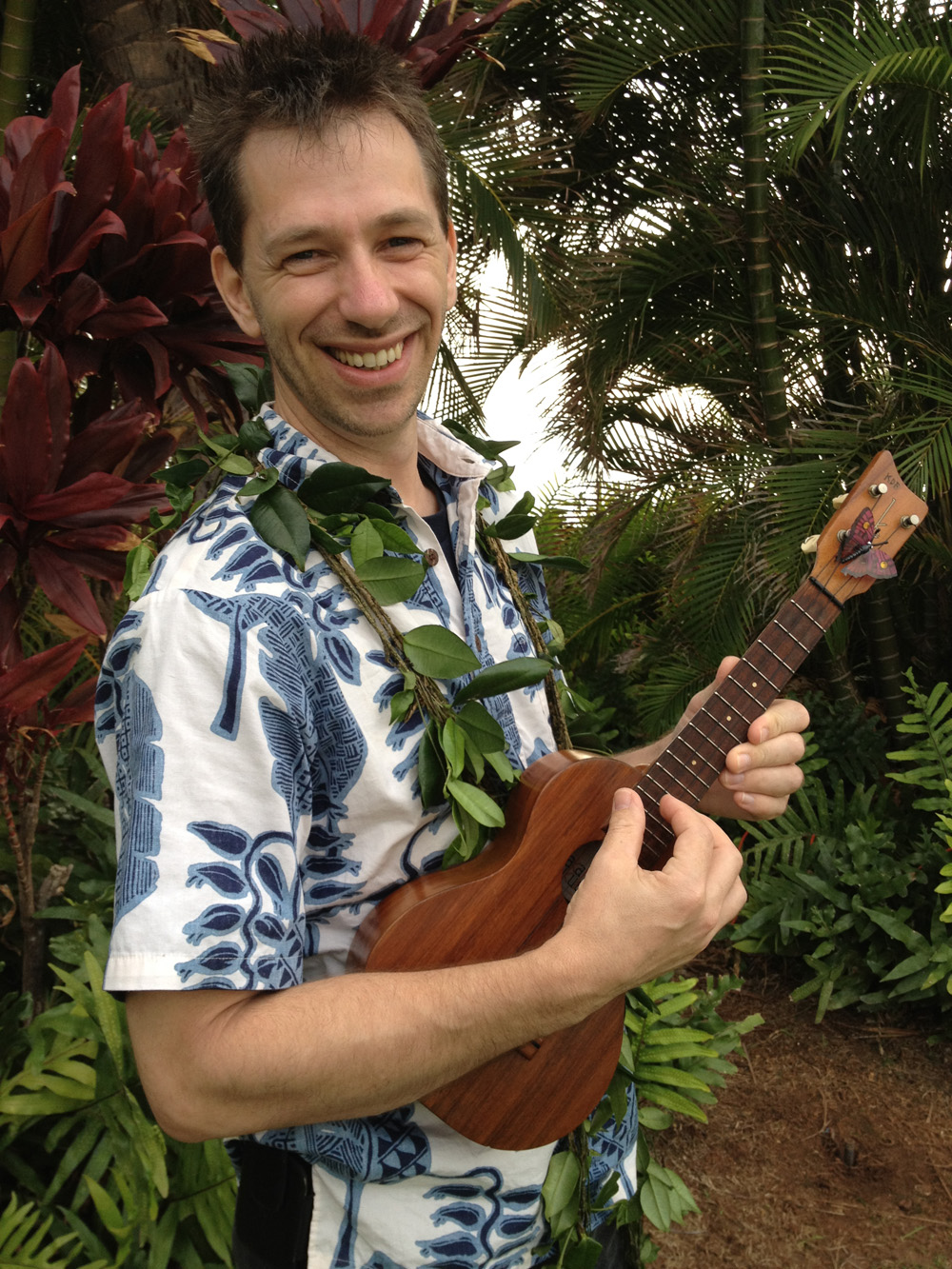
Haku Mele Hawaiian Songwriting Retreat. Hawaiian music, language, and song experts Kenneth Makuakāne and Kaliko Trapp-Beamer will offer a two-day Hawaiian music songwriting retreat for beginners. Budding songwriters will find inspiration in the wahi kapu (sacred places) in the rainforest, the pāhoehoe fields, and around the summit of Kīlauea volcano. Call (808) 985-6166 to register no later than August 8. Part of Hawai‘i Volcanoes’ Nā Leo Manu, “Heavenly Voices” performances. Free.
When: Saturday and Sunday, August 16 & 17, from 9 a.m. to 4 p.m.
Where: Environmental Education Center

Hula Performance by Haunani’s Aloha Expressions. This popular, award-winning hula hālau is comprised of an all-Hawaiian volunteer group of kāne and wāhine kūpuna (elders) 70 to over 90 years old, singing and dancing hapa-haole mele and hula. They share the aloha spirit with malihini (visitors) on visiting cruise ships, and at the Hilo International Airport. The kūpuna also entertain patients at many of Hilo’s senior kōkua (caring) organizations, and have performed at the park’s annual cultural festival on several occasions. Part of Hawai‘i Volcanoes’ Nā Leo Manu, “Heavenly Voices” performances. Free.
When: Wednesday, August 20, from 6:30 to 8 p.m.
Where: Kīlauea Visitor Center auditorium

‘Ohe Kapala Demonstration. ‘Ohe kapala, or bamboo stamps, were utilized to present many unique designs for traditional Hawaiian kapa. Today, these exceptional designs are being used as patterns on all types of fabric. Join Teana Kahoohanohano as she demonstrates how ‘ohe (bamboo) are carved into beautiful designs and how they are used. There will be samples and a hands-on opportunity to learn about this distinctive art form. Part of Hawai‘i Volcanoes’ ongoing ‘Ike Hana No‘eau “Experience the Skillful Work” workshops. Free.
When: Wednesday, August 27 from 10 a.m. to 12 p.m.
Where: Kīlauea Visitor Center lānai

Find posters of these events online: http://www.nps.gov/havo/planyourvisit/events.htm.

-NPS-

5 Hawai’i National Parks to celebrate Hawaiian Flag Day July 31

Posted on

Hawaiian flag at Pu‘ukohola Heiau NHS

Five Hawai‘i National Parks
to Celebrate Hawaiian Flag Day July 31

Hawaii National Park, Hawai‘i – Five national parks on Hawai‘i Island and Maui will simultaneously commemorate the first national holiday in Hawai‘i, Lā Hae Hawai‘i (Hawaiian Flag Day), on Thursday, July 31. The event is free, but entrance fees apply at Hawai‘i Volcanoes National Park, Pu‘uhonua o Hōnaunau National Historical Park, and Haleakalā National Park.

Hawai‘i celebrated its first national holiday on July 31, 1843, when the Kingdom of Hawai‘i was restored by Great Britain. Kamehameha III, Kauikeaouli, proclaimed, “Ua mau ke ea o ka ‘āina i ka pono,” the life of the land is perpetuated in righteousness. That famous proclamation is perpetuated today as the state motto.

Join the unified commemoration of Lā Hae Hawai‘i on Thursday, July 31, 2014 at Pu‘ukoholā Heiau National Historic Site, Kaloko-Honokōhau National Historical Park, Pu‘uhonua o Hōnaunau National Historical Park, Hawai‘i Volcanoes National Park, and Haleakalā National Park from 9 a.m. to noon.

On July 26, 1990, then-Governor John Waihe‘e signed a proclamation making every July 31 Hawaiian Flag Day, and urged Hawai‘i citizens ‘to observe due respect for the flag and the proud tradition for which it stands.’ That same year, Pu‘ukoholā Heiau National Historic Site started an annual tradition of celebrating Lā Hae Hawai‘i (Hawaiian Flag Day), and is one of three sites in the state where the Hawaiian state flag is permitted to fly independent of the American flag. (The other locations are ‘Iolani Palace and the Royal Mausoleum, both on O‘ahu). Kaloko-Honokōhau National Historical Park also began commemorating Lā Hae Hawai‘i in 2010.

The Lā Hae Hawai‘i (Hawaiian Flag Day) ceremony schedule at the Hawai‘i national parks is as follows:

9 a.m.: Participate in pū ‘ohe (bamboo trumpet) demonstrations at the Hawai‘i Island parks.

10 a.m.: Presentations and Q&A by guest speakers about the history of Lā Hae Hawai‘i, and Hawai‘i Pono‘ī, Ua mau ke ea o ka ‘āina i ka pono, and ‘aha ‘āina, the first lū‘au.

Noon: Honor the 1816 flag of Kamehameha I.

-NPS