Health & Wellness
Novavax COVID-19 vaccine available in Hawai‘i
DEPARTMENT OF HEALTH
DAVID Y. IGE
GOVERNOR
ELIZABETH A. CHAR, MD
DIRECTOR
FOR IMMEDIATE RELEASE
August 10, 2022 22-097
Novavax COVID-19 vaccine available in Hawai‘i
HONOLULU – The Hawai‘i Department of Health announces scheduling opportunities for the COVID-19 vaccine manufactured by Novavax.
Novavax is a two-dose primary series vaccine for individuals 18 and older. The Centers for Disease Control and Prevention recommends administering the second dose three to eight weeks after the first.
Novavax is a protein subunit vaccine. It includes harmless proteins of the COVID-19 virus that trigger an immune response.
Protein subunit vaccines, which include vaccines for hepatitis B, whooping cough, shingles, and other diseases, have been used in the United States for more than 30 years.
“Novavax gives us another way to protect ourselves from COVID-19. Its arrival is great news for people who are allergic to an ingredient in the mRNA vaccines manufactured by Pfizer and Moderna or those who, for whatever reason, have been reluctant to be vaccinated,” said State Health Director Dr. Elizabeth Char, FACEP.
5 Minute Pharmacy on O‘ahu and Safeway Pharmacy in Kailua-Kona on Hawaii Island offer Novavax vaccinations. Scheduling information for 5 Minute Pharmacy and the Kailua-Kona Safeway is available on the vaccination map at hawaiicovid19.com.
Kaiser Permanente is also offering Novavax in all counties to members and non-members starting Aug. 15, 2022 by appointment only. Appointments can be made by calling 808-432-2000.
# # #
A Grassroots Leader’s Vision for the Future Community Health Workforce | ASTHO
AUGUST 10, 2022 | SHELBY ROWELL

Throughout the COVID-19 pandemic, Community Health Workers (CHWs) played an integral role in educating, connecting, and assisting vulnerable individuals in communities they serve. CHWs are actively working to address both COVID-19 and the social determinants of health driving inequity in their communities. Since before the phrase “community health worker” was coined, CHWs have worked to improve access and increase health outcomes with little sustainable funding and unclear professional identities.
ASTHO spoke with Denise Octavia Smith, the inaugural executive director of the National Association of Community Health Workers (NACHW), about the critical work CHWs are leading in State Health Agencies and their communities and her roadmap to sustaining the current wave of support for a public health CHW workforce. Responses have been edited for length and clarity.
Who are CHWs and what do they do?
CHWs have hundreds of different job titles depending on where we work. We’re the people who work at the soup kitchen, food pantry, or a shelter. We help register people to vote or sign up for Medicaid, get people transportation so they can be vaccinated. Oftentimes we help individuals or families overcome different barriers—literacy, technology, financial—so they can achieve their health goals.
CHWs leverage our lived experience to develop trust and relationships. Most of us are working in a community that we’re very familiar with, be it geographically, culturally, faith-based, medically, or circumstantially. CHWs are the natural helpers, the advocates, the people breaking down technical or clinical information to make it plain to people.
How did you become involved in CHW work?
I’ve been a CHW for about 24 years. I’m also a certified patient navigator. I became involved in the work through the example of my family and community. My grandmother, in her religious community, sat with people who shared her life experiences as they grieved. And my mom worked helping people with HIV for many years. That work in the very early eighties introduced me to the “silence equals death” movement and the stigma felt by people with HIV… the fear that people had about a disease they knew little about at the time. I spent the first half of my life as a theater artist. A lot of that work is creating a safe, collaborative space for people to be their authentic selves. I bring all of that work into the CHW work that I do.
How does NACHW’s work enhance and strengthen community health?
NACHW was developed by and for CHWs across the country. We had a sense that when this workforce was recognized—both at the national level and across our variety of states and local contexts and different systems—that we would be able to support the communities where we live and serve to achieve health equity and social justice.
We’re able to focus a national lens on policies that may be passed or opportunities for funding that can help to scale or sustain our profession. CHWs leverage lived experience and trust. They help eliminate barriers for people to access healthcare and mental health services, address the social determinants of health, and provide supports that help people achieve their own health goals.
More broadly, we are working to understand why integrating CHWs into service delivery isn’t more commonplace. We try to amplify this profession and give concrete examples, tools, and resources, so when people want to partner with CHWs, they understand who we are, what we do, and why we do it. Because our heart is very much at the center of our work.
How have CHWs addressed social determinants of health within their day-to-day work?
When we look at the national landscape, there’s not a lot of funding that goes into community health worker programs to specifically address the social determinants of health. Most CHW work is focused on specific diseases.
When CHWs are developing relationships, we often find that to address someone’s diabetes we must also help them navigate the financial barriers they’re having in purchasing their test strips or the healthy and nutritious food that they need to lose weight. Or to lower their cholesterol or risk for heart disease or stroke.
What is your message to the public health field about the value of the work CHWs do?
It’s critical for public health leaders to know how important CHWs are in helping public health communications reach into monolingual and different marginalized communities. As a profession, we are able to effectively do this work through our trusted relationships with the community, our shared identity and experiences, and our training to provide linkages to services. Public health agencies can support CHWs in collecting data about people’s experiences and needs so that we can map not only the disease state, but where we’re seeing gaps. This data can inform opportunities for policy or opportunities to deliver better services.
How have CHWs mobilized to meet the needs of their communities throughout the pandemic response?
CHWs were telling us the immediate needs of their communities, including that language diversity was needed for messaging and educational materials, and that mental health supports were lacking. They were delivering diapers and food, helping people get rides to fill their prescriptions, or making doctor appointments. CHWs in rural Arkansas delivered iPads and hotspots to older adults who were shut in and helped them understand how to use them. A Florida coalition trained hundreds of CHWs and “promotores” on the basics of COVID-19. In addition to training them via a Zoom conference call, they also trained almost 200 CHWs over the phone so they could educate their communities.
Many CHWs got vaccinated, shared with others the importance of doing so, and dispelled common myths about vaccination. CHWs helped when the White House was rolling out covidtest.gov, making sure people could order free rapid at home antigen test kits, understand how to use them, and know what to do if they had a positive test.
How would you describe the state of the CHW workforce today, and how does it need to evolve to meet the growing needs of communities?
CHWs are incredibly diverse in language, culture, across geographies, and with many different experiences and training. With more than six decades of evidence base, we’re proven. We are present in the conversations about racial health equity, the need for better data and funding for communities to ensure that our communities can come out of this pandemic more resilient than ever before.
Self-determination and clear professional identity are of the utmost importance for the future of the CHW workforce. We need a clear definition of CHW that is driven and developed by the workforce outlining who we are, what our roles and competencies are, and how we partner with others to achieve health and well-being for families and communities.
How can allies of CHWs support the field?
It’s important for the public health field to come together and consider how we can better define and sustain this profession and how we can be authentically partnered. I think many of our allies already do a great job of supporting the unique leadership voice of CHWs in policy and program development. They create space for us to share our leadership and lived experience, they partner with us on grants, and they advocate alongside of us for racial and health equity. It’s important for the public health field to come together and consider how we can better define and sustain this profession and how we can be authentically partnered.
It is important that development of policies surrounding training, certification, funding, and sustainability are done in partnership with CHWs. And I can’t say that strongly enough. If you’re looking to partner, please visit NACHW’s website and look at our CHW training and certification and partnership list so that you can have local voices and local expertise.
Conclusion
The CHW workforce has played an essential role in addressing COVID-19 throughout communities and will continue to do so as their communities’ needs evolve. ASTHO and NACHW will continue to provide resources for our members to learn more about the CHW workforce and the ways CHWs can be integrated into state and territorial health agencies. For further information on NACHW and the work they are doing, please visit nachw.org.
The development of this blog post is supported by the Health Resources and Services Administration of the U.S. Department of Health and Human Services under grant number 2 UD3OA22890-10-00. Information, content, and conclusions will be those of the author and should not be construed as the official position or policy of, nor should any endorsements be inferred by HRSA, HHS, or the U.S. Government.
Statewide Report Briefing: Access To Care – July 26, 2022 at 9:30am
Please Join Community First and the Hawaii State Rural Health Association
Tuesday, July 26, 2022 at 9:30am HST
Topic: Access to Care Statewide Report Briefing
Register in advance for this webinar:
https://us02web.zoom.us/webinar/register/WN_wzpcIM4STRy8EkzGrqqL-Q
After registering, you will receive a confirmation email containing information about joining the webinar.
Please feel free to forward this invite throughout your network.
Aloha,
Lisa Rantz
President, Hawaii State Rural Health Association
Executive Director
1190 Waianuenue Ave.
Hilo, HI 96720
Office: (808)932-3636
Cell: (808) 430-1807

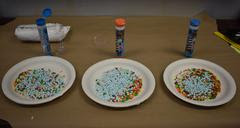
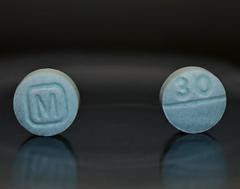
Community Message: 6-24-22 Police Warn Public About the Dangers of Illicit Fentanyl
Date: Fri, Jun 24, 2022 at 11:39 AM
Subject: Community Message: 6-24-22 Police Warn Public About the Dangers of Illicit Fentanyl
|


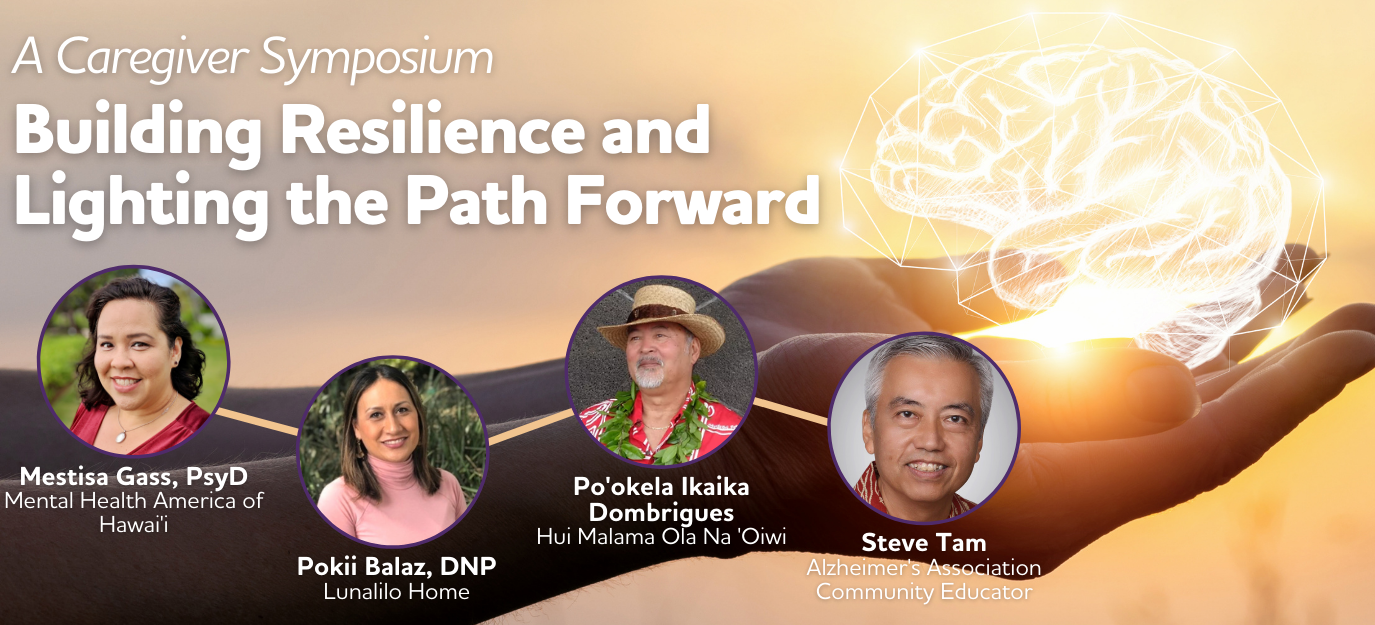
Register Today! Building Resilience and Lighting the Path Forward: A Caregiver Symposium
Prediabetes Screen Test
On average, 1 in 10 people have some form of diabetes as many of you know. Many folks don’t even know they have it!
The CDC and ADA provides a Prediabetes Screen Test that an individual can take to see if they are at risk for prediabetes:
https://www.cdc.gov/diabetes/prevention/pdf/Prediabetes-Risk-Test-Final.pdf
This can be helpful for people as it can allow them to take action to reverse prediabetes or delay Type 2 Diabetes.
(Also available here: Prediabetes-Risk-Test-Final )

- ← Previous
- 1
- 2
- 3
- …
- 9
- Next →
 Kaʻū Rural Health Community Association, Inc.